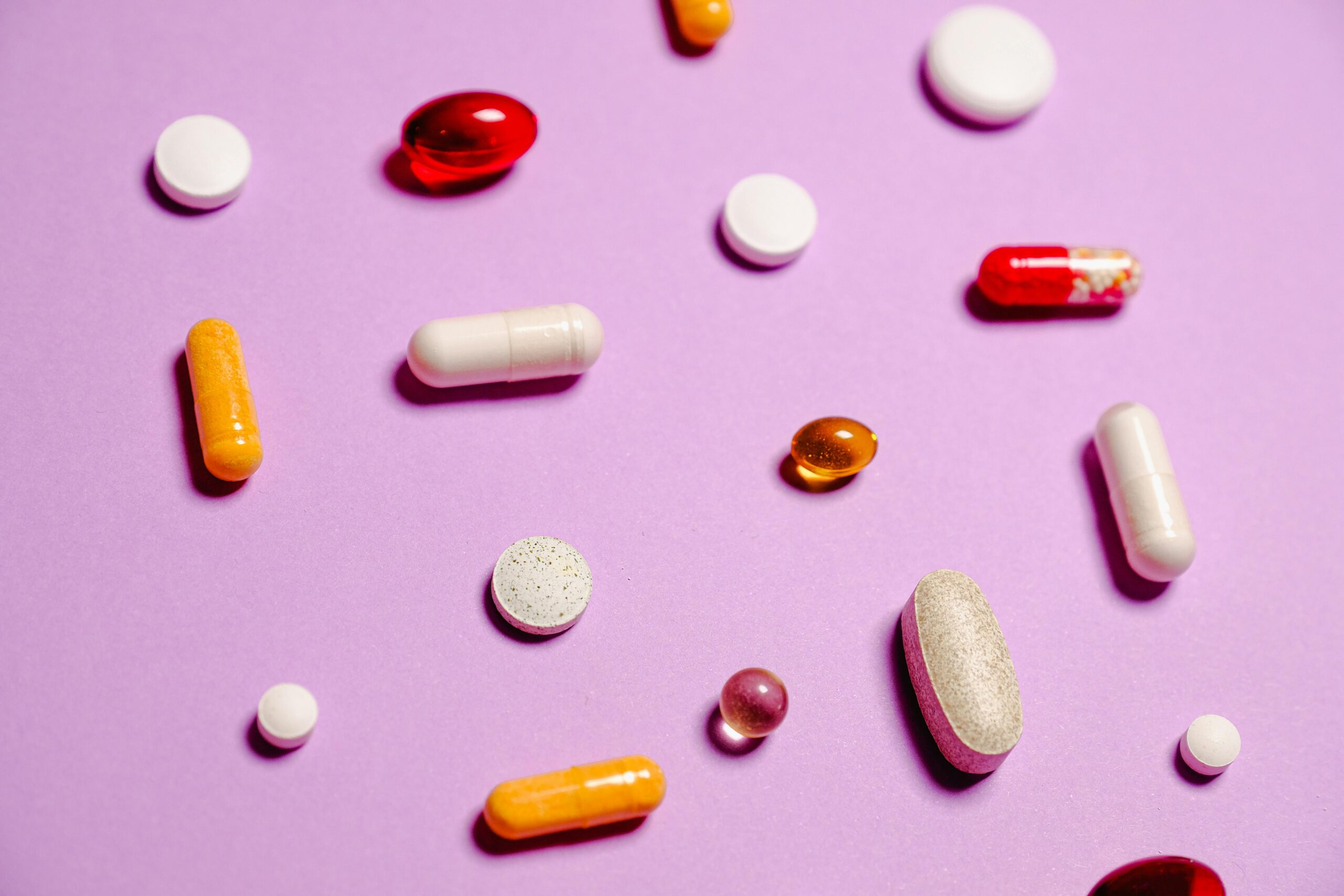
Vitamins for mental health.

Here at Alay Health Team, we are always looking at ways to improve the health of our patients. Moreover, to do that, a whole health approach is needed, and thus this is where we consider both the physical health as well as mental health needs of the patient. Why? Consequently our physical health can affect our mental health and vice versa. With this in mind, there are a few vitamins that really need to be talked about, the ones that we often use (after much research) have also found that they help with things that have not always been talked about before. So, what are the best vitamins for mental health? It’s a common question in psychiatry—let’s explore the answer.
It is important to realize that the most essential vitamins for mental and physical health include Vitamin B-complex, Vitamin C, Vitamin D, folic acid, and L-Methylfolate; indeed, all of these play a crucial role in brain function and overall well-being. Furthermore, we want to inform you about the things that they don’t tell you, and why it is important for your mental health. Of course, all the information being discussed here has been verified through research and is not just my opinion. Moreover, I will give you information on when I would recommend each one. Since this could be a long post, I thought I would break it down into a series of posts. Therefore, today I will tell you all about Vitamin B.
Vitamin B Benefits for Mental and Physical Health
Vitamin B refers to a group of eight essential water-soluble vitamins, collectively known as the B-complex vitamins. Moreover, each B vitamin plays a unique role in maintaining overall health. Consequently, here are their benefits.
1. Vitamin B1
- Supports energy production
- Helps nerve function
2. Vitamin B2
- Promotes healthy skin and eyes
- Supports energy metabolism
3. Vitamin B3
- Helps lower cholesterol
- Supports brain function
4. Vitamin B5
- Aids hormone production
- Supports energy metabolism
- Helps manage stress
5. Vitamin B6
- Supports brain health and mood regulation
- Helps with red blood cell productions
- Reduces inflammation
6. Vitamin B7
- Strengthens hair, skin, and nails
- Supports metabolism
- Aids in blood sugar regulation
7. Vitamin B9
- Essential for fetal development (prevents birth defects)
- Supports red blood cell formation
8. Vitamin B12
- Supports nerve function
- Aids in red blood cell production
- Helps prevent anemia and fatigue

Vitamin B6 and Prolactin: Managing Side Effects of Antipsychotics
Vitamin B6: Supporting Brain Health and Reducing Prolactin– As noted above, is known to support brain health and mood regulation. This means it helps with cognitive functioning as you age and helps to keep your daily moods from becoming too elevated or too low.
At Alay Health Team, we actively use vitamin B6 to naturally reduce prolactin levels. So, why do we choose to do that? In the field of mental health, we regularly prescribe medications classified as antipsychotics, which effectively decrease hallucinations, delusions, and other psychotic symptoms. However, we must acknowledge that these medications can sometimes cause prolactin levels to rise, leading to various negative physical side effects. Therefore, we conduct yearly blood tests for anyone on these types of medications to monitor any adverse effects on their body. When we find someone’s prolactin levels elevated, we prefer to start Vitamin B6 immediately. As a result of this intervention, we can generally observe the client’s prolactin levels drop to normal or closer to normal within three months, depending on how high they initially were.
By taking these proactive steps, we enhance not only our clients’ mental health but also safeguard their physical well-being, fostering a holistic approach to their overall care.
Why does high prolactin levels concern us? Besides the fact that medications can sometimes cause an increase in the Prolactin levels, which can then cause negative physical side effects, it can also be an indication of something much worse. This is also why we may do further testing if the prolactin levels do not start to decrease with the vitamin B.
The Connection Between Mental Health and Pituitary Gland Tumors
We may also order an MRI of the brain, looking specifically for pituitary gland tumors. If I had to estimate I would say personally over the past 6 years we have found around 5 or 6 pituitary gland tumors. These tumors are not from any medications, they are usually some forms of deformity or lesions they may have had for most of their lives. Most of the deformities found were small and benign lesions and are now monitored by an Endocrinologist. In two cases, one had to have surgery to remove a benign tumor and one unfortunately passed away from cancer of the brain. It is important to remember your mental health providers are not just here to help you with your mental health, we are also here to be part of a team of providers who are looking out for your physical health as well.
Vitamin B9 and Cognitive Health: The Role of L-Methylfolate
Vitamin B9 (Folic Acid): Why It’s Essential for Mental Health– As noted above it is important for pregnant woman to take because it helps with fetal development and the formation of red blood cells but here at Alay Health Team, we know that Vitamin B9 is also called folic acid. Why is this important for mental health? Well, folic acid is very important for many things, and we will get into that at a later date but what you need to know is there are different forms of folic acid just like there are different forms of Vitamin B and even though each does its own individual thing they are also all needed to work efficiently together.
Vitamin B9 being a folic acid has an active form of folic acid called L Methylfolate. This active form of folic acid can cross the blood brain barrier and help with cognitive functioning. In fact, many companies are now using this information to make vitamins approved by the FDA to improve cognitive functioning in conditions like early onset Dementia, Autism disorder, and ADHD.
The Importance of L-Methylfolate and MTHFR Deficiency Screening
You might ask yourself, why don’t I just take folic acid? Well, you can, but taking a supplement of folic acid is a synthetic version of it and is not an active folic acid. This means it has to be converted to the L Methylfolate, or Vitamin B9 to be able to work. To do this, the body must make another chemical called Methylenetetrahydrofolate. WOW, that is a long word, so we will just call that MTHFR. Here at Alay Health Team, we screen for a condition called MTHFR deficiency. It is very common to be deficient in this chemical which means you can take a folic acid supplement, but it will not really work because you are deficient in the enzyme that converts it to an active form of folic acid.
Treating Deficiency: How to Supplement Vitamin B9 for Mental Health
So, how do we treat it? Well, you guessed it—we provide vitamins that contain Vitamin B9, folic acid, and L-Methylfolate. However, while this may sound complicated, it is actually quite simple. For instance, you can easily purchase over-the-counter prenatal vitamins, or if needed, we can help prescribe ones that are covered by your insurance. Moreover, prenatal vitamins are FDA-approved for men as well, due to their significant benefits for mental health, particularly in enhancing cognitive functions such as attention, focus, and memory.
Want to learn more about how vitamins impact mental health? Follow our blog for upcoming posts on essential nutrients for brain function, or contact Alay Health Team to discuss your personalized health needs- you can visit our home page, read about our providers here, or go to our Contact Us page to connect.
Studies/References

B Vitamins and the Brain: Mechanisms, Dose, and Efficacy- A review
NCBI– David O Kennedy

Harvard
Active Folate Versus Folic Acid: The Role of 5-MTHF (Methylfolate) in Human Health
NIH/NCBI- Lorena Carboni